In today’s customer-centric business environment, organizations are under constant pressure to provide faster, smoother, and more efficient services. Whether it is a hospital, bank, government office, telecom center, retail store, or educational institution, customers expect minimal waiting times and a seamless service experience. Long queues and unorganized waiting areas often lead to frustration, reduced customer satisfaction, and operational inefficiencies.
As businesses continue to embrace digital transformation, advanced queue management solutions have become an essential part of modern customer service strategies. A well-designed queue management system not only organizes customer flow but also improves employee productivity, optimizes resource allocation, and enhances overall service quality.
In Saudi Arabia’s Eastern Province, cities such as Dammam and Khobar are witnessing rapid commercial and technological growth. Organizations in these cities are increasingly adopting queue management systems to improve customer experiences and maintain a competitive advantage.
This article explores the growing importance of queue management technology, its benefits, applications, and why businesses in Dammam and Khobar are investing in smart queue solutions.
The Evolution of Customer Service Management
Customer expectations have changed dramatically over the past decade.
Modern customers value:
- Speed
- Convenience
- Transparency
- Digital accessibility
- Personalized experiences
Traditional queue management methods often fail to meet these expectations. Manual processes can create confusion, increase waiting times, and place unnecessary pressure on employees.
Digital queue management systems solve these challenges by introducing automation and intelligent customer flow control.
Queue Management System
What Is a Queue Management System?
A Queue Management System is a technology-driven solution that helps organizations organize, monitor, and optimize customer flow.
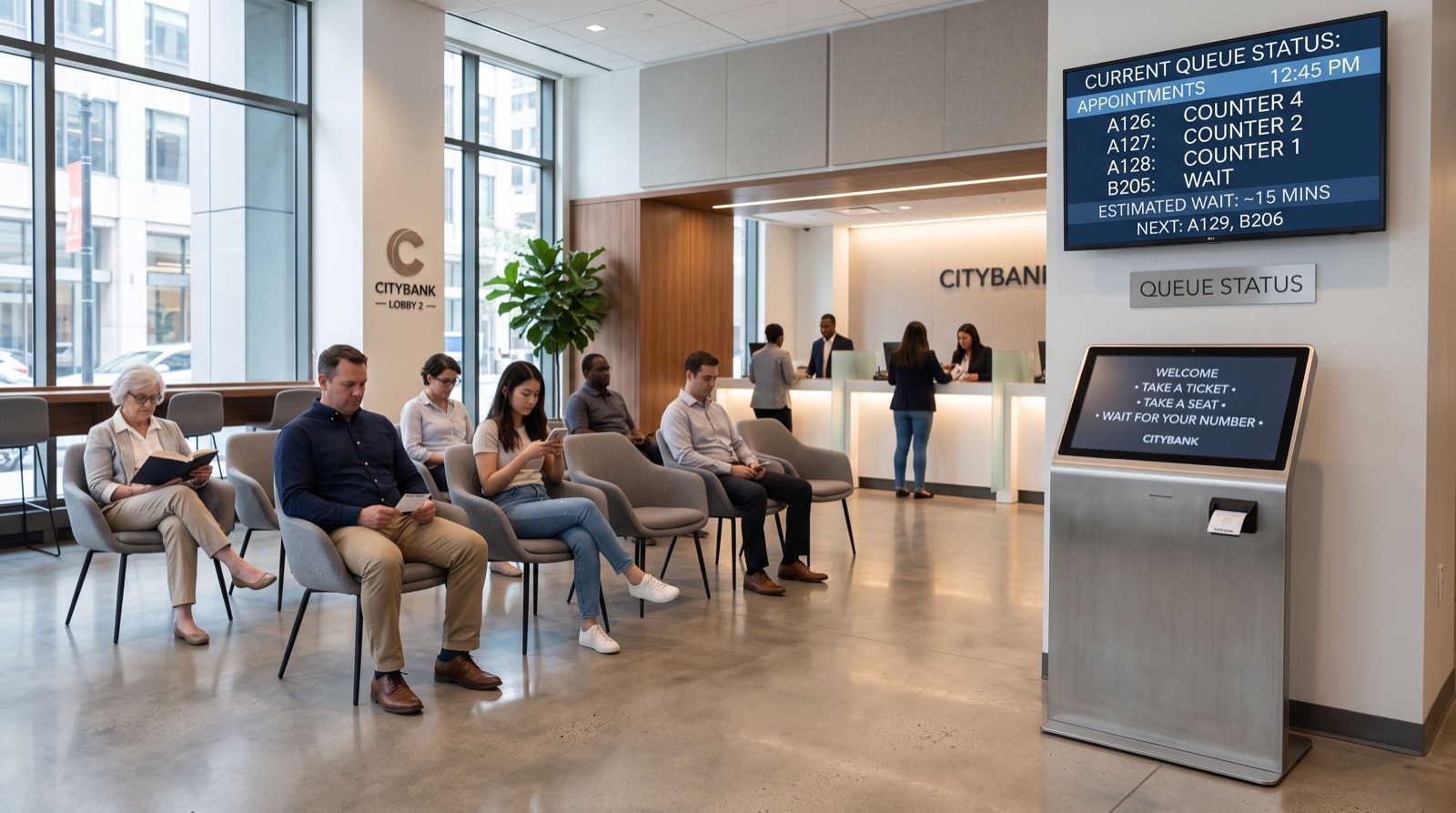
The system manages customer arrivals, directs visitors to the appropriate service points, and provides real-time information regarding waiting times and service availability.
Modern queue management systems often include:
- Digital ticketing
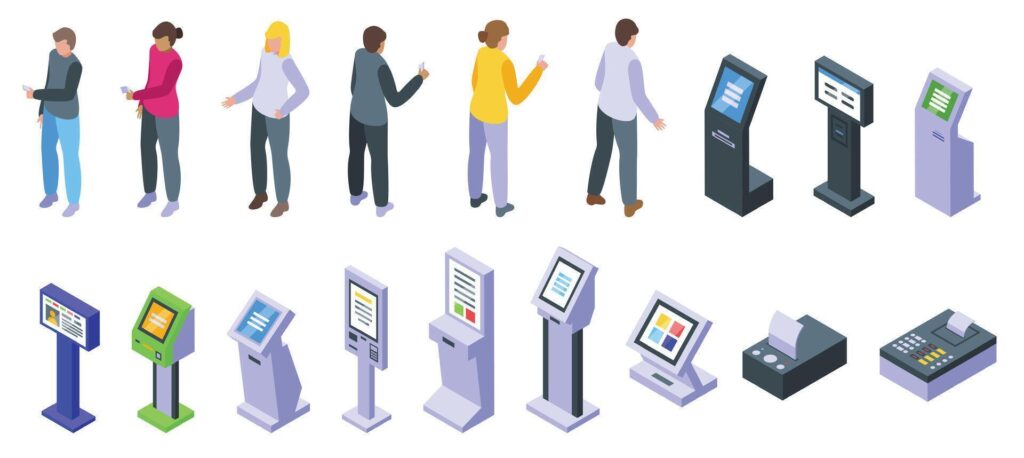
- Self-service kiosks
- Mobile queue registration
- Digital display screens
- Appointment scheduling
- Performance analytics
These features help organizations deliver a smoother and more efficient customer experience.
How a Queue Management System Works
The process typically follows several steps:
Customer Registration
Customers register through a kiosk, mobile application, or service desk.
Ticket Generation
The system assigns a queue number based on service requirements.
Queue Placement
Customers are automatically placed in the correct service queue.
Real-Time Updates
Display screens and notifications provide waiting information.
Service Allocation
The next available staff member serves the customer.
Data Collection
Performance metrics are recorded for future analysis.
This automated workflow reduces confusion and enhances operational efficiency.
Key Benefits of a Queue Management System
Reduced Waiting Times
Automation ensures faster customer processing.
Improved Customer Satisfaction
Organized service creates a more positive experience.
Better Resource Utilization
Managers can allocate staff more effectively.
Enhanced Productivity
Employees focus on serving customers rather than managing queues.
Real-Time Visibility
Managers can monitor service performance instantly.
Data-Driven Improvements
Analytics support continuous optimization.
Why Businesses Need Smart Queue Management
Organizations that fail to manage customer flow effectively often face several challenges:
- Customer complaints
- Lost business opportunities
- Staff inefficiencies
- Congested service areas
- Reduced customer loyalty
Implementing a queue management system addresses these issues while improving both customer and employee experiences.
Industries Benefiting from Queue Management Systems
Queue management technology is used across numerous sectors.
Healthcare Facilities
Hospitals and clinics organize patient appointments and consultations efficiently.
Banking and Financial Services
Banks reduce waiting times and improve transaction management.
Government Service Centers
Public institutions streamline citizen services.
Telecommunications
Service centers handle customer inquiries more effectively.
Retail Businesses
Stores improve checkout and customer support processes.
Educational Institutions
Universities and schools manage administrative services efficiently.
Queue Management System Dammam
Dammam is one of Saudi Arabia’s fastest-growing commercial and industrial cities. As businesses expand and customer volumes increase, efficient service delivery becomes increasingly important.
This growing demand has led to widespread adoption of Queue Management System Dammam solutions across multiple sectors.
Why Dammam Organizations Need Queue Management Systems
Rapid Economic Growth
Business expansion increases customer traffic.
Industrial Development
Large organizations require efficient visitor management.
Customer Experience Expectations
Consumers expect modern and efficient services.
Digital Transformation Initiatives
Companies are investing in smart technologies.
Benefits for Businesses in Dammam
Faster Service Delivery
Customers spend less time waiting.
Improved Operational Efficiency
Automated workflows reduce bottlenecks.
Better Customer Retention
Satisfied customers are more likely to return.
Enhanced Employee Performance
Staff can focus on productive tasks.
Applications in Dammam
Queue management systems are widely used in:
- Hospitals
- Government offices
- Banks
- Retail stores
- Telecom service centers
- Educational institutions
These organizations benefit from improved service quality and operational control.
Queue Management System in Khobar
Khobar is a thriving commercial hub known for its modern infrastructure, growing business sector, and high customer service standards.
The increasing adoption of Queue Management System in Khobar reflects the city’s commitment to operational excellence and customer satisfaction.
Why Businesses in Khobar Are Investing in Queue Systems
Growing Commercial Activity
More businesses mean higher customer volumes.
Competitive Market Environment
Organizations seek ways to differentiate themselves.
Customer-Centric Service Models
Efficient service delivery enhances brand reputation.
Technology Adoption
Businesses embrace digital solutions to improve performance.
Benefits of Queue Management Systems in Khobar
Enhanced Customer Experience
Customers enjoy organized and predictable service.
Reduced Congestion
Waiting areas remain more manageable.
Better Staff Allocation
Resources are distributed based on demand.
Improved Service Monitoring
Managers gain real-time operational insights.
Common Use Cases in Khobar
Queue management solutions are frequently implemented in:
- Healthcare facilities
- Financial institutions
- Government departments
- Luxury retail outlets
- Customer support centers
- Hospitality businesses
These sectors rely heavily on efficient customer flow management.
Essential Features of Modern Queue Management Systems
Technology continues to enhance queue management capabilities.
Self-Service Kiosks
Allow customers to register independently.
Mobile Queue Management
Customers can join queues remotely.
Appointment Scheduling
Pre-booked appointments reduce waiting times.
Digital Signage
Displays queue information clearly.
SMS Notifications
Customers receive updates directly on their phones.
Performance Analytics
Managers gain valuable operational insights.
The Role of Queue Management in Digital Transformation
Digital transformation focuses on improving efficiency and customer experience through technology.
Queue management systems support this goal by:
- Automating service processes
- Reducing manual intervention
- Improving customer communication
- Enhancing operational visibility
- Supporting data-driven decisions
Organizations adopting these systems often experience measurable improvements in service quality.
Future Trends in Queue Management Technology
The queue management industry continues to evolve.
Artificial Intelligence
AI predicts customer demand and optimizes staffing.
Virtual Queues
Customers wait remotely instead of physically standing in line.
Cloud-Based Platforms
Centralized management across multiple branches.
Predictive Analytics
Advanced forecasting improves operational planning.
Contactless Services
Digital solutions enhance convenience and safety.
Factors to Consider When Choosing a Queue Management System
Organizations should evaluate several important factors.
Scalability
The solution should support future growth.
Ease of Use
Both customers and employees should find the system intuitive.
Integration Capabilities
Compatibility with existing systems is essential.
Reporting Features
Comprehensive analytics support optimization.
Vendor Support
Reliable technical assistance ensures long-term success.
The NextGen Technologies: Delivering Advanced Queue Management Solutions
The NextGen Technologies
The NextGen Technologies is a trusted provider of innovative technology solutions that help organizations improve customer experiences and operational efficiency.
The company specializes in advanced queue management systems designed to streamline customer flow, reduce waiting times, and enhance service delivery across multiple industries.
By leveraging modern technologies and customer-focused strategies, The NextGen Technologies supports organizations throughout Saudi Arabia in achieving their digital transformation objectives.
Its commitment to quality, innovation, and reliability has positioned the company as a preferred partner for businesses seeking intelligent queue management solutions.
Why Businesses Choose The NextGen Technologies
Organizations trust The NextGen Technologies because of:
- Modern and scalable solutions
- Industry expertise
- Customized implementations
- Reliable technical support
- Focus on customer experience
- Commitment to innovation
These qualities help businesses maximize the value of their technology investments.
Conclusion
A Queue Management System is no longer a luxury—it has become a necessity for organizations seeking to improve customer experiences and operational efficiency. By automating customer flow, reducing waiting times, and providing valuable performance insights, queue management solutions help businesses deliver exceptional service.
The increasing demand for Queue Management System Dammam and Queue Management System in Khobar highlights the growing importance of smart customer service technologies in Saudi Arabia’s rapidly developing business environment.
As organizations continue to embrace digital transformation, advanced queue management systems will play a critical role in improving productivity, customer satisfaction, and long-term competitiveness.
With innovative providers such as The NextGen Technologies, businesses can implement future-ready solutions that support sustainable growth and operational excellence.
Frequently Asked Questions (FAQs)
1. What is a queue management system?
A queue management system is a technology solution that organizes customer flow, reduces waiting times, and improves service efficiency.
2. Which industries benefit most from queue management systems?
Healthcare, banking, telecommunications, retail, government services, and education sectors commonly benefit from queue management technology.
3. Why are queue management systems important in Dammam?
Dammam’s growing commercial and industrial sectors require efficient customer service solutions to handle increasing visitor volumes.
4. How do queue management systems improve customer satisfaction?
They reduce waiting times, provide real-time updates, and create a more organized service experience.
5. Why choose The NextGen Technologies for queue management solutions?
The NextGen Technologies offers advanced, scalable, and customer-focused queue management systems that help organizations improve efficiency and service quality.